
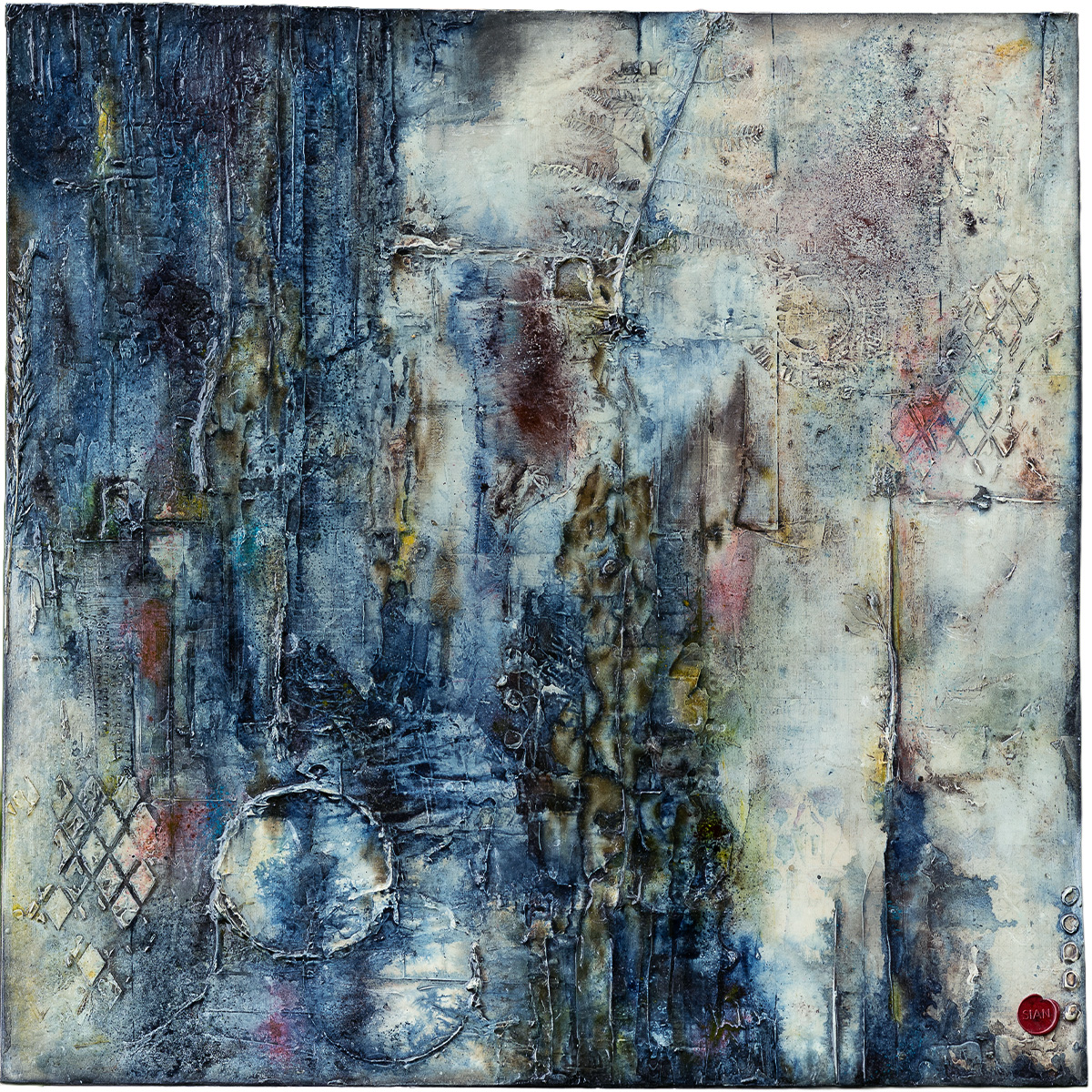
The Street That Isn't There
Textured abstract wall art
| Medium | Mixed media on wood |
| Dimensions | 600mm x 600mm |
| Editions | Unique work 1 of 1 |
| Material Notes | Oils, watercolour, structural medium, powdered pigment, pressed botanicals, resin |
| Price | £1,800 |
Created during a wet winter in Corrèze, this piece carries the feeling of a place forming before it is fully known. At the time, my studio wasn’t built, I worked on the floor of a partially renovated space with a dirt ground, a single bulb overhead, no heating, wrapped in blankets, surrounded by art supplies pulled from boxes.
Although nothing in the composition was intentional or representational, viewers often describe the same elements appearing, a rainy street, a streetlight, a cloaked figure moving through the scene. I still experience it as abstract, but I love that it consistently evokes story. It becomes a shared space where the mind tries to assemble meaning from texture, light, and shadow, and where each person’s interpretation is quietly valid.
A resin coat was allowed to pool and split across the painting, creating the illusion of water held on a surface, like rain on glass or a street reflecting light. This effect amplifies the sense of weather and motion, and gives the work a depth that changes as you move around it. The image shifts, reveals, disappears, then returns, as if it refuses to settle into a single truth.
The Street That Isn’t There is about atmosphere more than place, and about what appears when nothing is forced. It holds a tension between abstraction and recognition, between what is seen and what is suggested, inviting the viewer to step into the gap and complete the story for themselves.
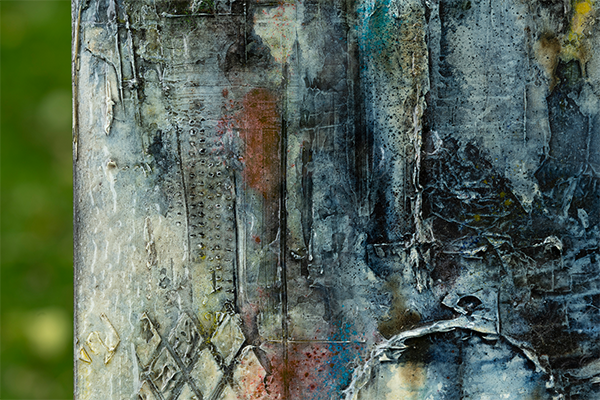
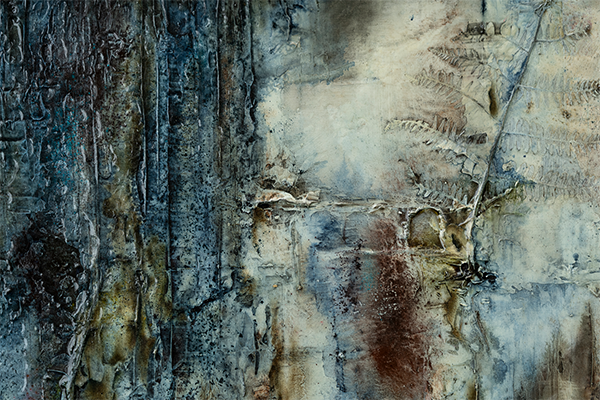
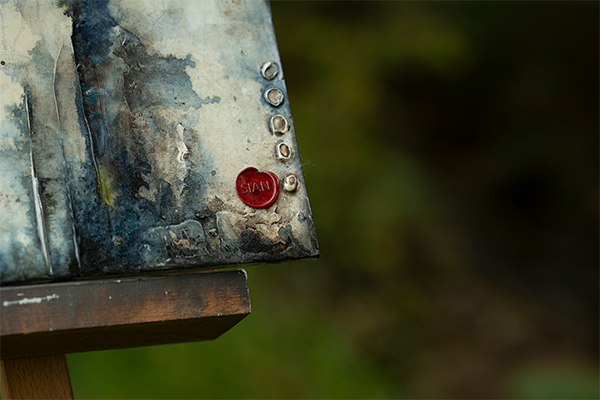
The Street That Isn’t There is suited to interiors that favour atmosphere, subtle narrative, and layered visual depth. Its muted palette and shifting surface create a sense of movement and ambiguity, making it particularly effective in living spaces, bedrooms, or transitional areas where a quieter, more contemplative presence is desired.
The square format allows the piece to sit comfortably as a focal point while maintaining a sense of balance within the space. From a distance, it reads as a soft, tonal composition; up close, textures, marks, and layers begin to suggest forms and moments that shift depending on the viewer’s perspective.
It pairs naturally with neutral interiors, soft textiles, and materials such as wood, linen, and stone, making it well suited to spaces that prioritise calm, texture, and a sense of quiet complexity.